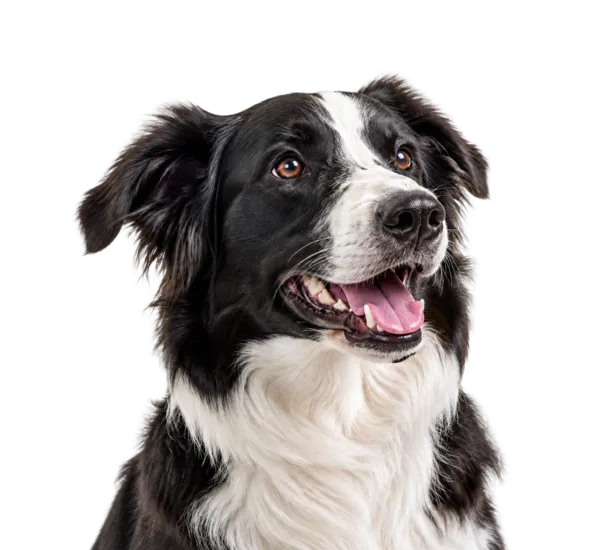
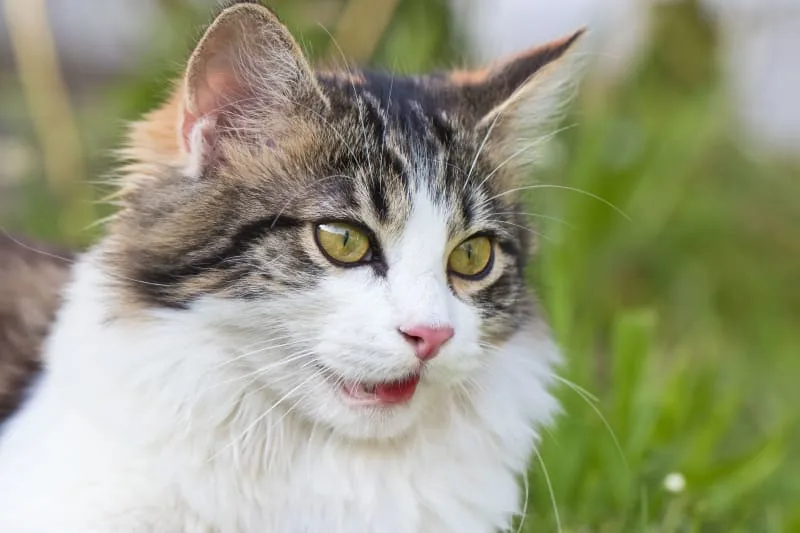
Does your cat or dog's panting mean that they're experiencing labored breathing? Today, our Capitola vets and team share more about labored breathing in dogs and cats.
Labored Breathing VS Breathing Quickly
It's important to be able to recognize whether your dog or cat is breathing quickly (tachypnea) or experiencing difficulty breathing (dyspnea).
Tachypnea
Many of us breathe faster when exercising; this is an example of tachypnea. If your dog is playing vigorously or running, they may pant and breathe quickly. This doesn't necessarily mean that your dog is having difficulties breathing.
Dyspnea
Dyspnea is the term for labored breathing in cats and dogs, and more specifically refers to your animal actually having difficulties taking breaths, or being short of breath.
If your pet is experiencing labored breathing, this is a veterinary emergency and requires immediate action. How can you tell if your pet is struggling to breathe properly? When cats and dogs are experiencing breathing difficulties, the symptoms they will exhibit may be different.
Signs of Labored Breathing in Dogs
If your dog is experiencing labored breathing (difficulty breathing), you are likely to notice one or more of the following symptoms:
Exercise intolerance (especially when you take them for a walk)
Persistent cough, worsening at night
An increased respiratory rate > 40 bpm
Craning the neck out to breathe
An unusually hoarse sounding bark
Anxious behavior such as restlessness or pacing
Constant panting
Sitting in a wide stance to breathe (front legs/elbows spread out)
Belly heaving in and out harder as they breathe
Foaming or frothing at the mouth
Blue-tinged gums
How to Spot Labored Breathing in Cats
As many a worried cat owner knows, cats often hide when they aren't feeling well, which can make spotting the signs of labored breathing more challenging to spot. Nonetheless, when a cat is experiencing difficulties breathing they will typically exhibit one or more of the following symptoms:
Hiding in a quiet place
Increased respiratory rate
Hunching close to the ground with neck extended forward
Hacking or persistent coughing
Breathing with mouth open
Blue-tinged gums
Foaming or frothing from the mouth
What To Do If Your Pet Has Labored Breathing
Common Causes of Labored Breathing in Pets
Cats and dogs aren't always susceptible to the same conditions but some of the most common health issues that can lead to breathing difficulties in either pet include:
Asthma
Infectious diseases
Growths in the upper airway
Heart failure
Cancer
Metabolic issues
Pneumonia
Exposure to toxins
Trauma
Treatment for Pets Struggling With Labored Breathing
After your pet has been thoroughly examined, the course of action prescribed by your veterinarian will depend upon the finding regarding your pet's breathing difficulties. Some treatments for labored breathing include:
Oxygen therapy
IV fluids
Steroids to reduce airway inflammation
Bronchodilators to expand airway and increase airflow
Diuretics to treat fluid in lungs
In order to get a more detailed picture of the cause of your pet's labored breathing, additional diagnostic testing may be required. Diagnostic testing could include chest or abdominal X-rays and electrocardiogram or echocardiogram to check heart function.
Note: The advice provided in this post is intended for informational purposes and does not constitute medical advice regarding pets. For an accurate diagnosis of your pet's condition, please make an appointment with your vet.
If you think that your dog or cat is struggling to breathe properly it's time to head to the vet! Contact our Bartlett vets right away or visit your nearest animal emergency clinic to recieve urgent care for your pet.